
Ever crack open a "premium" jar of flower only to find it smells... flat? Like hay, cardboard, or absolutely nothing at all? You might be smoking a "radiated harvest."
As a cannabis consumer, you've probably noticed it. You hit the local dispensary, drop $50 on an eighth of what's supposed to be a hype strain, but the flavor just isn't there. The bag appeal looks decent, the THC numbers are screaming high, but the soul of the plant—that pungent, room-filling funk—has vanished.
Welcome to the world of remediation. It's the industry's best-kept secret and its most controversial safety net. While the word "radiation" sounds like something out of a sci-fi flick or a superhero origin story, in the legal cannabis game, it's becoming as common as pasteurization is for milk.
The Microbial Imperative: Why Growers "Clean" Their Crop
Let's be street-wise for a second: Nobody wants to radiate their weed. It's expensive, it's a hassle, and it's a PR nightmare if the public finds out. But growers are stuck between a rock and a hard place. In the legal market, microbial testing is the "final boss."
Cannabis is a magnet for mold. Specifically, a soil mold called Aspergillus. For most of us, inhaling a bit of mold isn't the end of the world, but for medical patients with compromised immune systems, it can be lethal. Regulators in states like Colorado, California, and Nevada have near-zero tolerance for these pathogens.
The Economic Trap
Imagine you've just harvested 500 pounds of premium flower. You've spent months on nutrients, labor, and electricity. If that batch fails a test for Aspergillus DNA, the state gives you a few choices: destroy the whole harvest (losing millions), extract it into oil (losing 70% of the value), or remediate it.
Remediation is the only way a company keeps its lights on when a harvest goes sideways. And the king of remediation? X-ray based microbial control.
Introducing "X-Ray Based Microbial Control"
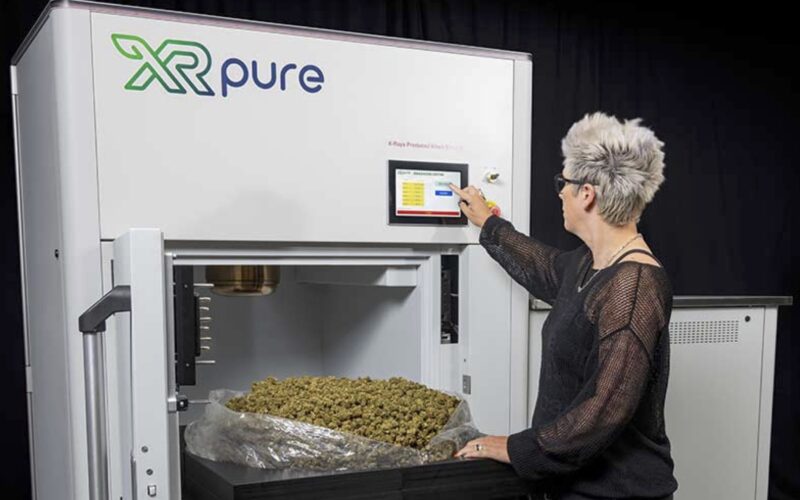
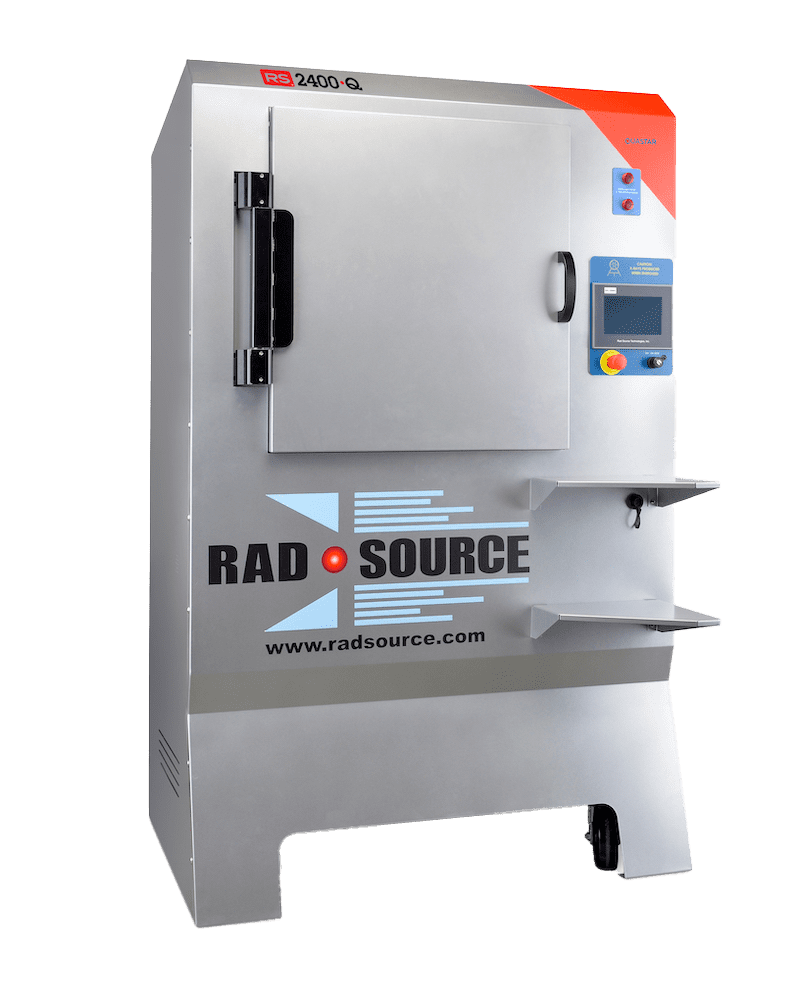
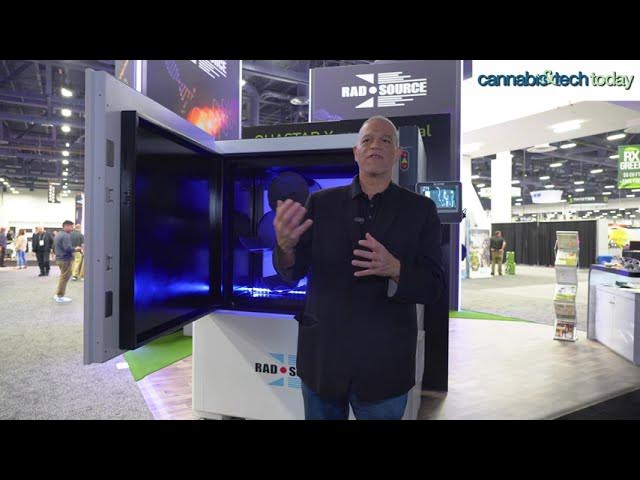
First off, let’s clear the air: remediated weed is not "radioactive." You aren't going to glow in the dark after a joint. The technology, often provided by companies like Rad Source, uses Photonic Decontamination. It’s the same tech used to treat medical equipment and the food you buy at the grocery store.
It uses electricity—not nuclear material—to create high-energy photons (X-rays). These photons are like tiny, invisible bullets. They pass right through the dense structure of the bud and strike the DNA of mold, yeast, and bacteria. It snaps the DNA chain, making it impossible for the microbes to reproduce.
Consensus on Safety
Science generally agrees on a few things. First, this process is incredibly effective at killing mold. Second, it doesn't significantly change the THC or CBD potency. Third, it is approved by global health regulators. For large Multi-State Operators (MSOs), it’s a non-negotiable "kill step" to ensure they aren't sued into oblivion.
Table 1: Comparing Microbial Control Methods
| Feature | X-Ray (Rad Source) | Ozone (Willow) | Radio Frequency (Ziel) |
|---|---|---|---|
| Mechanism | Ionizing Radiation | Oxidizing Gas | Thermal (Heat/Vibe) |
| Penetration | Deep (Total) | Surface Only | Deep (Thermal) |
| THC Impact | Negligible | Low | Low |
| Terpene Impact | Medium (Oxidation) | High (Oxidation) | Medium (Heat) |
| Consumer Stigma | High | Medium | Low |
The Heart of the Debate: Flavor vs. Safety
This is where the investigative journalist in me looks at the fine print. While the THC stays intact, the terpenes—the "essential oils" of the plant—often take a hit. Terpenes are volatile. They are sensitive to light, heat, and, yes, ionization.
Some researchers suggest that X-ray treatment may lead to a 10% to 38% loss in total terpenes. The bright, citrusy notes (Limonene) and the earthy musks (Myrcene) are often the first to go. This leads to what connoisseurs call the "Cardboard Terp" profile. It’s safe, it’s clean, it’s potent... but it’s boring.
Furthermore, while the mold is dead, the body of the mold is still there. If you're a cali sober enthusiast looking for the purest experience, the idea of inhaling "sterilized mold" might sit wrong with you.
Identifying "Nuked" Flower: A Consumer Guide
How can you tell if your stash has been through the Rad Source machine? Since many states (like Michigan) don't require disclosure, you have to trust your senses.
- The Muted Nose: If the jar says "Sour Diesel" but smells like dry hay, it might have been remediated.
- The "Browning" Effect: High-energy photons can accelerate the ambering of trichomes, making fresh weed look prematurely old.
- The "Styrofoam" Texture: Remediated buds often feel brittle or spongy in a way that lacks the resinous "stick" of untreated flower.
- The COA Gap: Check the lab results. If the harvest date and the test date are months apart, it’s a sign the product might have failed and then been remediated.
For many, the move is to bypass the dispensary lottery altogether. That's why cannabis seeds are becoming the ultimate hedge against corporate weed—if you grow it yourself, you know exactly what’s in it (and what isn’t).
The Toxicology Question: Inhaling Radiolytic Byproducts
Here is what we don't know. Most safety data on irradiation comes from the food industry. We know it's safe to eat an irradiated apple. But has anyone studied the long-term effects of inhaling irradiated organic matter?
Some researchers suggest that ionizing radiation can create "radiolytic compounds"—new chemicals that didn't exist before treatment. While these are usually trace amounts, the impact on lung tissue has not yet been studied. It's a data gap that regulators haven't quite filled yet.
State Disclosure Laws
| State | Disclosure Requirement | Labeling Requirement |
|---|---|---|
| Nevada | Mandatory | "NOTICE: This product contains ingredients treated with irradiation" |
| New York | Mandatory | "Treated with radiation" + Radura Symbol |
| Florida | Mandatory | Disclosure on packaging |
| Michigan | None | No specific mandate |
Final Thoughts: The "Craft" vs. "Corporate" Divide
The industry is currently splitting into two camps. On one side, you have the "Corporate" model: mass-produced, standardized, and remediated for guaranteed safety. This is the "Budweiser" of weed. It’s consistent, but it lacks character.
On the other side is the "Craft" model: small-batch, no-till, and never remediated. These growers take the risk of failing a test because they believe in the purity of the plant. They aren't hiding behind "Microbial Control Steps."
At the end of the day, it's about transparency. Consumers deserve to know if their product has been "cleaned." Whether you value the safety of a sterile product or the soul of a raw plant, the choice should be yours—not a secret hidden in the back of a cultivation facility.
Works Cited
- Rad Source Technologies, "The X-Ray Reinvented," accessed January 4, 2026.
- PMC - NIH, "Use of X-ray irradiation for inactivation of Aspergillus in cannabis flower," 2022.
- Arno Hazekamp, "Evaluating the Effects of Gamma-Irradiation for Decontamination of Medicinal Cannabis," 2016.
- Cannabis Industry Journal, "How Does the X-Ray Method Work in Decontamination?", 2023.
- Veriheal, "What is Irradiated Cannabis and is it Safe?", 2024.
- UCLA Health, "Big Tobacco knew radioactive particles in cigarettes posed cancer risk," research parallels.
- Department of Cannabis Control (CA), "Testing Laboratories and Remediation Guidelines," 2025.
- Nevada Cannabis Compliance Board, "Regulation 12 Packaging and Labeling," 2021.