
Regulatory whiplash is here. We found the survivors who aren't selling "mystery goop."
1. The Reality Check: The 2026 "Hemp Apocalypse"
If you’ve been buying THCa flower for the last couple of years, you know the vibe: it’s been a beautiful, chaotic loophole. But as we sit here in 2026, the party is being crashed by the Agriculture Appropriations Law. The "Doomsday Clock" is ticking toward November 12, 2026—the day high-THC hemp effectively faces federal extinction.
We’re moving from the "Wild West" to a "split-screen" era. On one side, marijuana is being moved to Schedule III, which is great for tax-paying corporations. On the other side, the hemp-derived THCa market is facing a draconian contraction. The days of "gas station hemp" operators liquidating mystery inventory before the deadline are here. For you, the buyer, trust has officially become more valuable than a 35% THCa lab result.
"The 2026 consumer is done with novelty. We’re seeing a forensic-level focus on terpene preservation, organic 'living soil' cultivation, and actual lab integrity. If it doesn't have a batch-level COA, it doesn't belong in your bowl."
At BluntTalkzz, we aren't here to sell you a subscription box. We’re here because we’re tired of seeing veterans and patients get "baited-and-switched" by brands that spend more on Instagram ads than they do on their cure. This guide is your map through the wreckage.
2. The Trust Framework: How We Built This List
We didn't build this list by looking at who had the biggest booth at a trade show. In 2026, the real regulators are decentralized. We tracked forensic consumer sentiment across r/CultoftheFranklin, Discord community "drop" logs, and independent third-party lab-testing forums.
To make this list, a brand had to pass three tests:
- The Reddit Audit: Do real people—not bots—show off the flower three days after a drop? Is the "nose" consistent with the strain profile?
- The Lab Integrity Check: Do they "lab shop" for friendly numbers, or do they provide full-panel results for every harvest, including microbial safety?
- The Logistics Standard: Do they use discrete, smell-proof packaging that actually lands? Do they have a "Notice to Law Enforcement" inside for the 2026 legal climate?
3. What to Look for (The 2026 Red Flags)
Before you drop $200 on an ounce, you need to understand the 2026 math. The federal definition of hemp has pivoted to a "Total THC" standard. The formula you need to know is:
If a brand is claiming 30% THCa but their "Total THC" on the COA says 0.3%, they are lying to you. It’s mathematically impossible. Here are the red flags to watch for:
- Lab Shopping: Brands using specific private labs known for providing "friendly" results while ignoring high mold counts.
- Irradiated Flower: MSOs use "radsource" machines to kill microbes, but it turns the flower to dust. Look for "Living Soil" cultivation to avoid this.
- White-Labeling: Many brands are just brokers. They buy industrial-grade hemp and slap a "craft" label on it. Trust brands that talk about their farms.
4. The Most Trusted THCa Brands of 2026
These are the industry heavyweights who moved beyond loophole exploitation and into medical-grade excellence. They are the benchmark for quality in 2026.
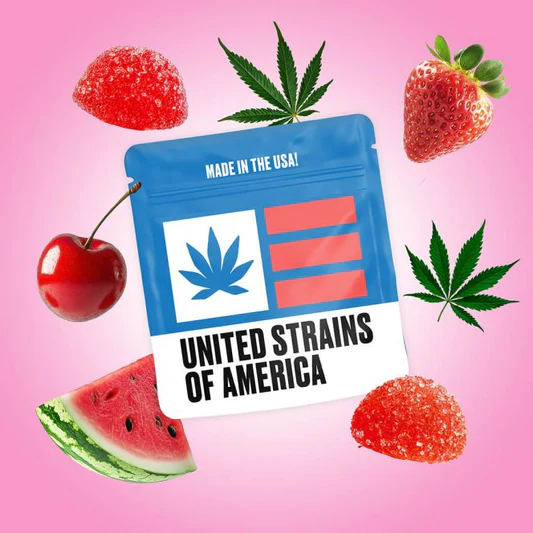
1. United Strains of America (USoA)
USoA is the definitive leader in 2026. They’ve managed to scale without losing the "soul" of the flower. Their "Mimosa" and "Gary Payton" cuts are legendary for a reason—they actually land looking like the photos.
What they do well: Professional logistics and staggering potency (up to 32% THCa). Their flower matches the COA every single time.
Downsides: High price point and "drop anxiety." Their limited drops sell out in minutes.
Best For: Veterans looking for that "heavy" euphoria that mimics the best state-licensed dispensaries.
Shipping: Nationwide (Smell-proof, discrete).
2. Secret Nature
The "Artisan" benchmark. While others went for volume, Secret Nature doubled down on glass packaging and medical-grade hardware. Their "Forbidden Fruit" is still the terpene king of 2026.
What they do well: Terpene preservation. Their vapes use ceramic components for the cleanest pull in the game.
Downsides: It's "luxury weed." $50 for a disposable is a steep entry price for a daily driver.
Best For: Connoisseurs who prioritize flavor and "bag appeal" over bulk value.
Shipping: Nationwide (Premium stealth).
Reliable daily drivers. You won't get burned, but you might deal with minor logistical hiccups or slightly muted terpene profiles compared to Tier 1.
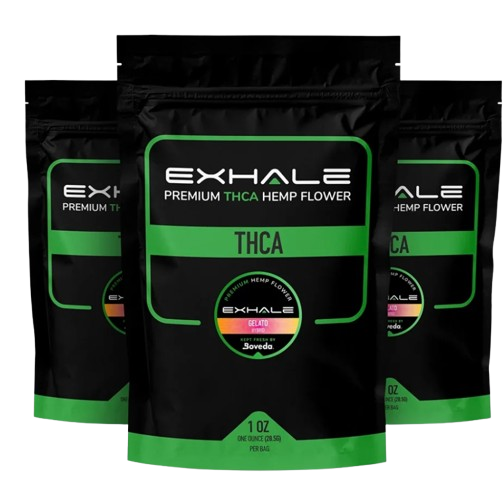
3. Exhale Wellness
The organic choice. They’ve avoided the "bait-and-switch" scandals of 2026 by sticking to ethical sourcing and slow curing.
Pros: Freshness. Their "Godfather OG" is a Reddit favorite for relaxation.
Cons: Experienced smokers might find some strains (like Skywalker OG) a bit light on the effects.
4. BudPop
The "Flavor Chaser" brand. They use live resin terpenes to provide an authentic cannabis profile that standard distillate brands can't touch.
Pros: Shelf stability and additive-free formulas. No MCT or PG oils here.
Cons: Shipping delays. Expect a "5-day wait for a 3-day promise."
5. Black Tie CBD
The "Value-to-Potency" champion. They offer "30-gram ounces" and a consistent satisfaction guarantee that few can match in this regulatory climate.
Pros: Full-panel results on every batch and dependable potency.
Cons: Batch variability. Sometimes it's "fire," sometimes it's a bit dry.
6. NexZen Extracts
The pre-roll gold standard. They use whole-flower infusions rather than the floor shake and trimmings common in gas station brands.
Pros: Wellness-driven formulations and fast shipping.
Cons: Availability. Their best stuff is almost always "out of stock."

Niche players and heritage brands that serve specific sub-communities well but have a narrower shipping reach or older infrastructure.
7. WNC-CBD
A heritage brand with farm-direct attribution. You can trace your flower back to specific Appalachian micro-climates.
Cons: Their website feels like 2018, and they lack the flashy hardware of newer competitors.
8. Arete Hemp
The "Flavor Leaders" of the cartridge segment. Wood-tip hardware and glass components appeal to the aesthetic-conscious buyer.
Cons: Their flower is prone to dryness if you don't catch a drop early.
9. Lucky Elk
The "Loophole Hero." They’ve filled the gap left by brands that exited the high-THC flower market too early in 2025.
Cons: Limited shipping reach. They’ve quietly stopped shipping to states with early-2026 bans.
10. VIIA Hemp
Innovation specialists. If you want "diamond-infused" products or vegan live-rosin gummies, this is your spot.
Cons: Product consistency across batches can be hit-or-miss according to recent Reddit threads.
5. Cultivation Analysis: Automation vs. Craft
The quality gap in 2026 is driven by how the plant is handled after harvest. Large MSOs (Multi-State Operators) have moved toward vertical grow systems and machine trimming to maximize "labor efficiency." The result? "Corporate Weed" that is dry, muted, and lacks trichome heads.
In contrast, the brands consumers trust (like the legendary Lemon Cherry Gelato providers) utilize "Living Soil" and hand-trimming. This preserves the "sticky, resin-coated" buds that provide the entourage effect.
| Cultivation Method | Standard Hardware | Post-Harvest | Consumer Verdict |
|---|---|---|---|
| MSO Industrial | Vertical Tiers / Rolling Benches | Machine Trim / Irradiated | "Corporate Weed" / Dry / Muted |
| Craft THCa | Living Soil / Precision HVAC | Hand Trim / Slow Cure | "Actually Hits" / Sticky / Loud |
| Hemp Aggregator | Greenhouse / Hydroponic | Hybrid Trim / CO2 Wash | "Value Tier" / Functional |
6. The 2026 Compliance Cliff: Schedule III & The 0.4mg Cap
On December 18, 2025, an Executive Order directed the Attorney General to expedite the rescheduling of marijuana to Schedule III. While this helps licensed operators avoid the 280E tax burden, it hasn't stopped Congress from closing the THCa loophole.
The new reality for finished consumer products is an aggregate cap of 0.4 milligrams of total intoxicating cannabinoids per container. This means high-potency THCa flower will soon exist only in the "gray market" or within state-licensed dispensaries. Smart brands are already pivoting, using their brand equity to enter state-legal marijuana programs. If you're looking for advanced ways to use what you have, check out our guide on kief and hash extraction to preserve your stash before the compliance deadline hits.
7. How to Buy THCa Safely in 2026
To survive the next 12 months as a consumer, you need to be skeptical. Don't trust high THC percentages alone. Instead, focus on the Certificate of Analysis (COA). A real COA in 2026 should feature:
- QR Code Verification: Does it link to the lab's own portal, or is it a flat PDF that could be edited in Photoshop?
- Full Panel Testing: Look for screenings for 60+ pesticides and heavy metals (Lead, Mercury, Arsenic).
- Batch Specificity: The report should be unique to the harvest, not a "generic" report from 2024.
For more on staying safe while navigating the shifting laws, we recommend consulting The Modern Toker’s Compass, our exhaustive guide to clean consumption.
8. Final Word: Stay Skeptical
The THCa gold rush is ending, but the culture is just getting started. The brands that survive 2027 will be the ones that treated compliance as a "competitive advantage" rather than a burden. As a buyer, your best tool is your community. If a brand changes their cure or starts using plastic hardware, talk about it. Support the cultivators who respect the plant enough to do it right.
What do you think? Is the 0.4mg cap the end of the line, or will the "Cult of Franklin" find a new way to innovate? Let’s keep the debate going in the comments over on Reddit.