
You just dropped $70 on an eighth that’s supposed to be "premium." The jar says 32% THC. It looks like it was cut into a perfect pebble by a diamond jeweler. But you crack it open, and it smells like... nothing. Or worse, a damp basement. You smoke it, and instead of a journey, you get a 15-minute "flat" buzz and a headache.
Welcome to the era of MSO cannabis—the industrialization of a plant that was never meant to be a monocrop. In high-barrier markets like New Jersey, a handful of Multi-State Operators (MSOs) like Curaleaf, Verano, and Ascend have built a "closed-loop" system that prioritizes quarterly earnings over the lemon cherry gelato flavors consumers actually want.
But there’s a revolt happening. Craft cannabis brands are finally getting shelf space, and they’re exposing the dirty secrets of corporate cultivation. If you’ve ever wondered why that "small-batch" 20% THC flower hits harder than the 30% "corporate boof," this investigative deep dive is for you. We’re breaking down the science of the "hay smell," the scam of THC inflation, and why the "grower’s eye" beats an algorithm every single time.
1. The Warehouse vs. The Ecosystem: Facility Architecture
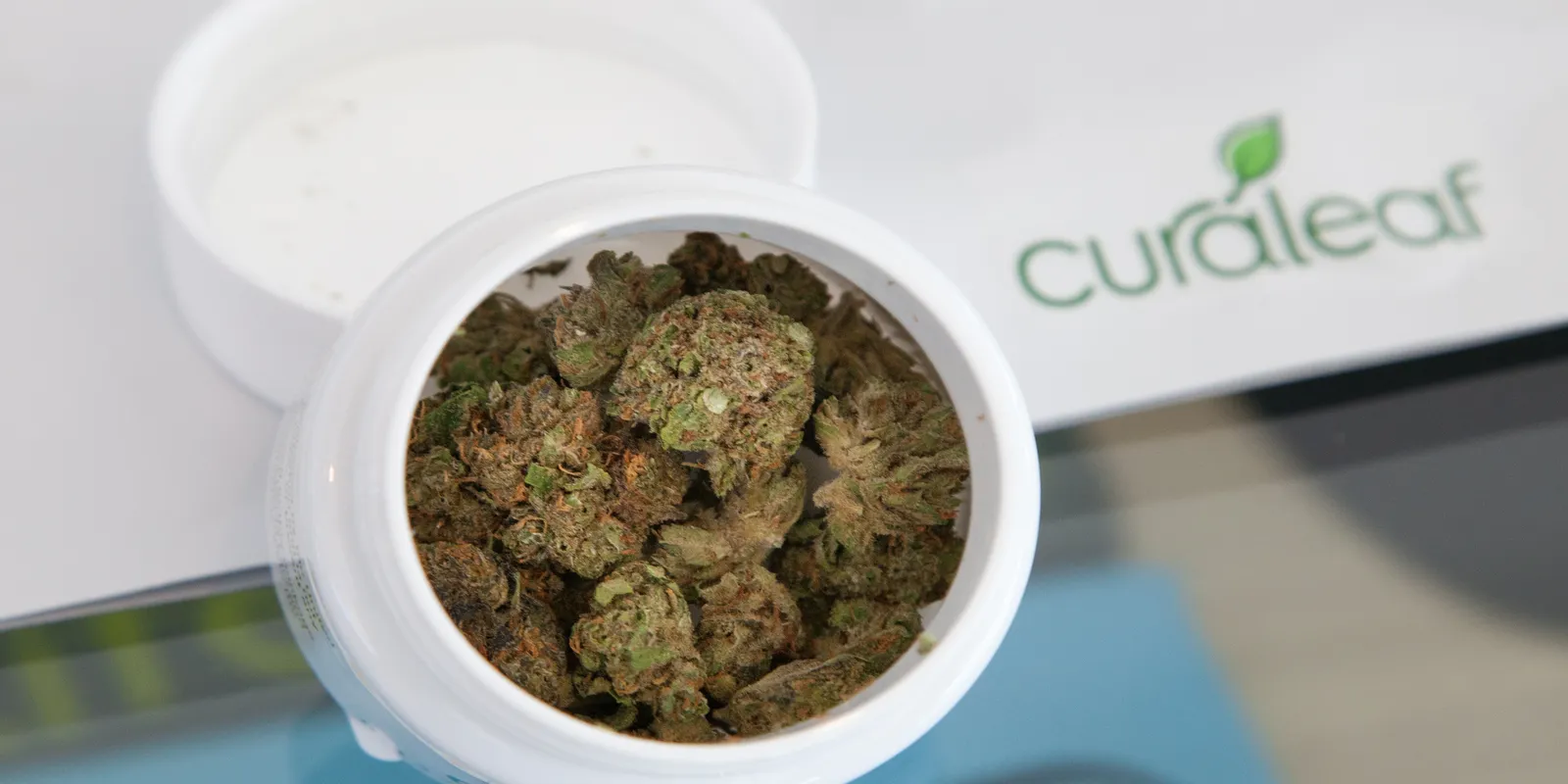
The difference starts at the foundation. MSOs operate facilities engineered for risk mitigation, not biological complexity. In New Jersey, these massive warehouses (often exceeding 100,000 square feet) treat the plant as a chemical vessel.
MSOs: The Industrial Monocrop
Companies like Curaleaf and Verano rely on "rolling benches" and "fertigation" systems. The substrate? Overwhelmingly rockwool or coco coir. These are inert media. They provide zero nutritional value; they only serve as an anchor for the roots. This allows cultivators to "steer" the crop by manipulating the pH and electrical conductivity (EC) of salt-based nutrients instantly. It’s efficient, but it results in a "sterile" profile.
Craft: Biological Mimicry
Compare this to NJ craft growers like Hamilton Farms or Full Tilt Labs. While MSOs use inert rocks, craft growers are using Living Soil. In a living soil bed, the plant interacts with mycorrhizal fungi and bacteria. This biological symbiosis increases the production of secondary metabolites—terpenes and flavonoids—that rockwool simply cannot replicate.
Table 1: The Molecular Gap - MSO vs. Craft Standards
| Feature | MSO / Industrial Standard | Craft / Small-Batch Standard | Impact on Final Product |
|---|---|---|---|
| Drying Velocity | Accelerated (5–7 days) | Slow & Cold (10–16 days) | Rapid drying traps chlorophyll, creating a "hay" smell. |
| Environmental | Aggressive HVAC (Low Humidity) | 60°F / 60% Relative Humidity | High temps evaporate Limonene and Myrcene. |
| Trimming | Mechanical Tumblers (Mobius) | Hand-Trimmed with Scissors | Tumblers decapitate trichomes and oxidize oils. |
| Curing | Minimal (Packed Immediately) | Extended (2–6 weeks) | Curing smooths the smoke by breaking down sugars. |
2. The "Hay" Phenomenon: Why It Smells Like a Barn
If you’ve ever opened a jar of NJ weed from a brand like Ozone or Curaleaf and been hit with the scent of cut grass, you’ve experienced the "Hay Phenomenon." This isn’t a strain trait; it’s an operational failure.
When you’re harvesting 2,000+ plants at once, you have to clear the drying room fast for the next batch. MSOs rush the dry, trapping chlorophyll in the plant. Furthermore, they often "wet trim" using machines to reduce mold risk. This mechanical agitation ruptures the trichome heads, causing the volatile oils to evaporate before you ever get the jar.
Craft growers like Garden Greens and Breakwater prioritize a "whole plant hang." They let the moisture leave the stem slowly. This patience preserves the entourage effect, keeping the "nose" of the flower loud and intact.
3. THC Inflation vs. Real Quality: The Lab Shopping Scandal
"Why does this 30% THC weed feel weaker than my homegrow?" It’s the question that haunts every legal market. The answer is a mix of biological degradation and systematic deception.
The "Flat High" of Corporate Cannabis
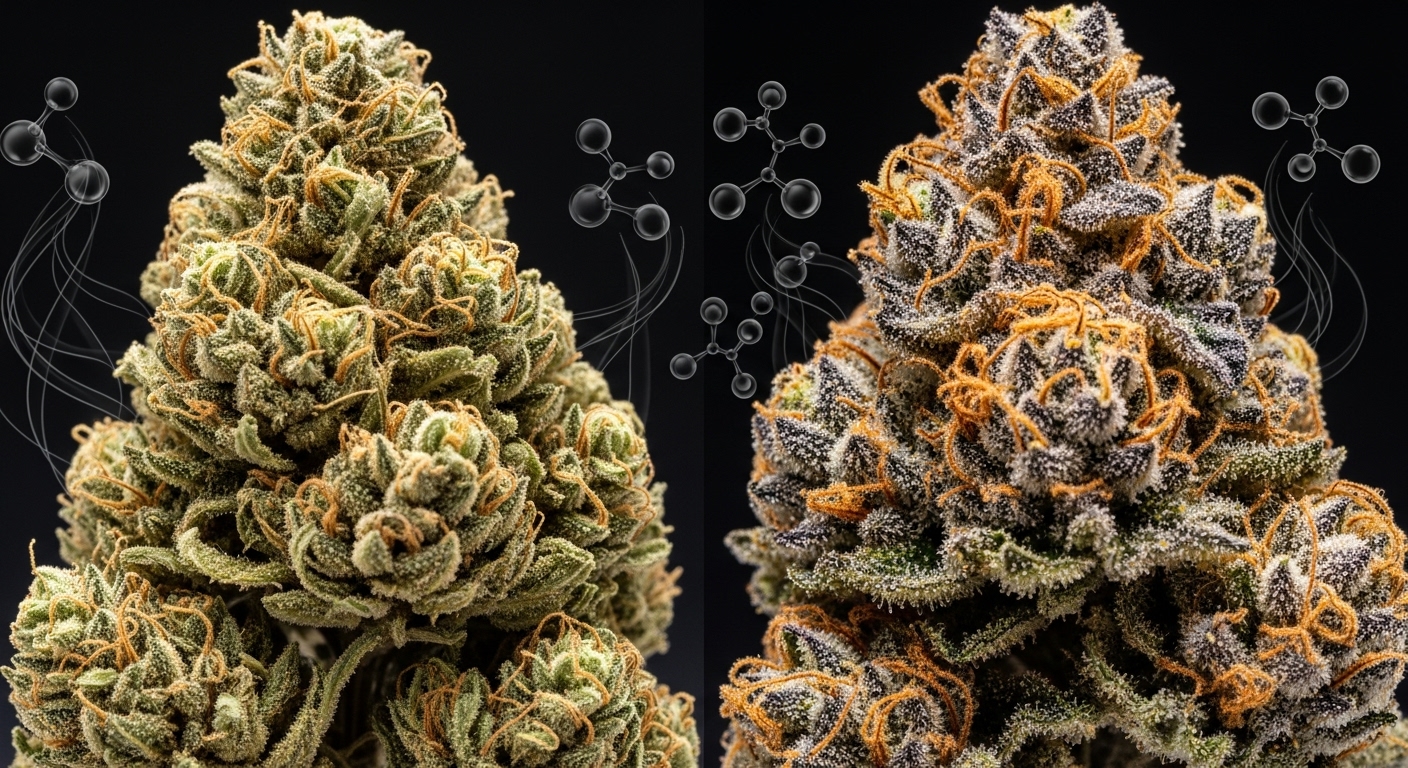
MSOs select genetics based on one metric: Grams per Square Foot. This forces them toward "Polyhybrids"—Cookies, Gelato, and Runtz crosses that are agronomically stable but genetically narrow. These strains are bred to produce massive amounts of THC, but they often lack the minor cannabinoids and monoterpenes (Limonene, Pinene) that give a high its "shape."
Without terpenes, THC is just a "flat" stimulant. It’s the difference between drinking pure grain alcohol and a fine aged scotch. One just makes you dizzy; the other provides an experience.
The Trust Deficit
Then there’s the Lab Shopping. A recent independent study by the group Safe Leaf in New Jersey tested 25 products from 17 cultivators. The results were damning: nearly 30% of products failed independent safety tests for microbial contaminants (mold/yeast) despite having passed state-mandated testing previously. MSOs often select "friendly" labs or submit "clean" samples that don’t represent the actual batch on the shelf.
4. Genetics: Efficiency vs. The Hunt
Because MSOs are beholden to shareholders, they cannot afford to grow anything that takes longer than 8 weeks to flower. This has virtually eliminated Long-Flowering Sativas from the legal market. Strains like Haze or Panama Red take 12-14 weeks to finish. In an MSO facility, that’s "lost revenue."
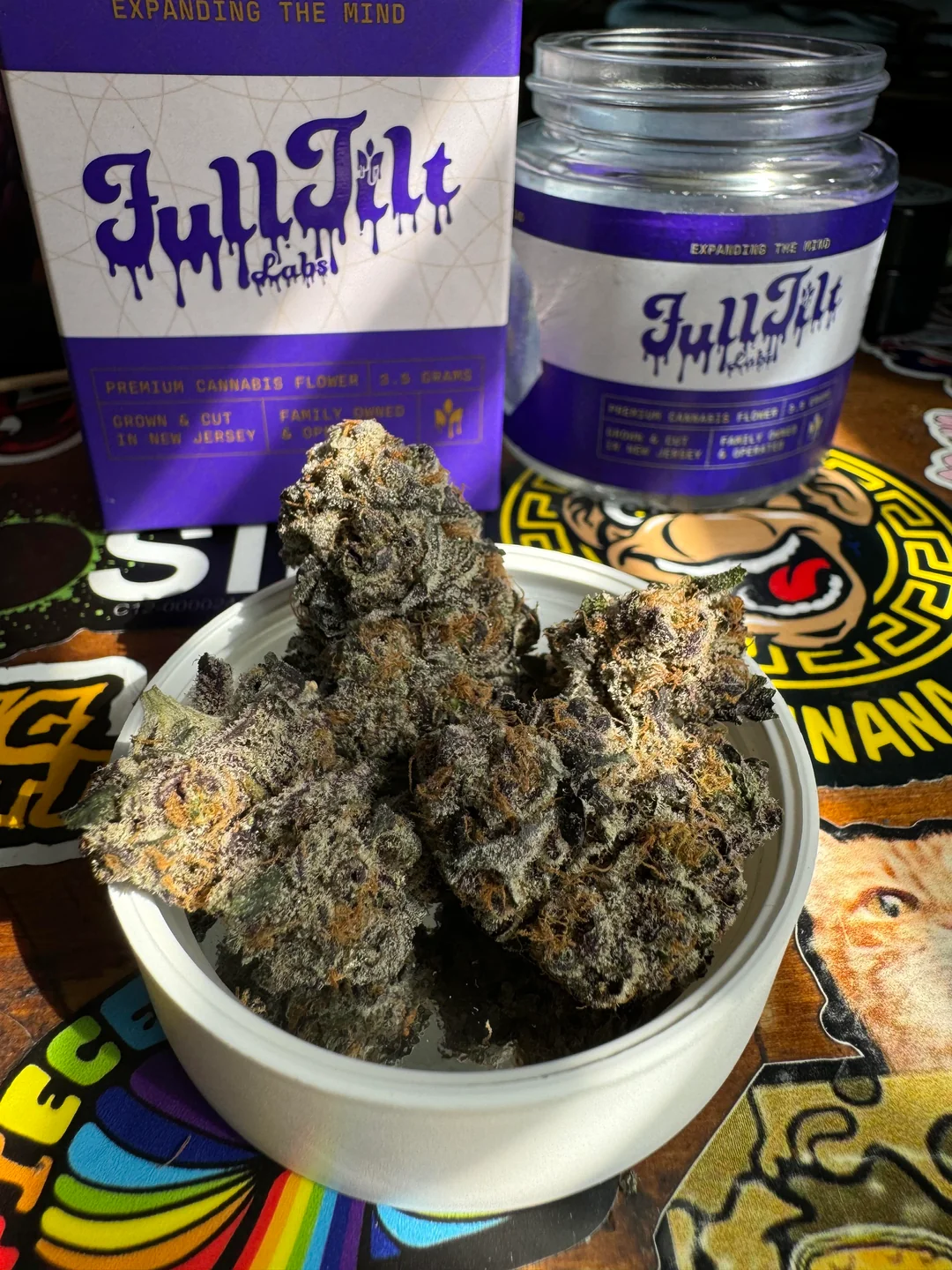
Craft growers use uniqueness as their moat. Hamilton Farms targets the connoisseur by growing "Lamb’s Bread" (the legendary Jamaican Sativa). Full Tilt Labs engages in "pheno-hunting," growing hundreds of seeds of a cross like "Black Maple" just to find the one "keeper" with a profile of garlic, rubber, and sweet maple—savory notes that MSOs ignore in favor of "safe" fruity profiles.
Genetic Hardware vs. Software
- MSO Strategy: High yield, fast flowering (56 days), uniform height for lighting efficiency. Dominance of "Candy" and "Cookies" lineages.
- Craft Strategy: Diversity, "Heritage" genetics, savory terpene profiles, longer flowering cycles (70+ days) for full resin development.
- The Result: MSO flower is visually stunning ("bag appeal") but biologically shallow. Craft flower is functionally complex.
5. Economics: The Pricing Paradox
In any other industry, scale makes things cheaper. In New Jersey cannabis, MSOs benefit from automation but carry massive corporate bloat. Executive salaries, legal retainers, and Slotting Fees (paying up to $15,000 a month per SKU for shelf placement) keep their costs high.
While a craft grower has a higher Cost of Goods Sold (COGS) due to hand-trimming and premium soil, their overhead is minimal. They are often owner-operated. As of late 2025, the average price in NJ remains around $31.42 per item—significantly higher than mature markets like Michigan.
The kicker? MSOs often price their "Reserve" tiers at $60-$75 per eighth—the same price as true craft. You’re being charged a "premium" price for a product grown with "budget" methods.
6. Social Equity: Real or Just a Label?
New Jersey’s legalization was promised as a victory for social equity. The reality is the "Paper Equity" Trap. Because traditional banking is blocked, many social equity applicants fall prey to predatory lending from MSOs or groups like AFC Gamma.
In exchange for capital, these "partners" demand strict control via Management Service Agreements (MSAs). These agreements often allow the corporate partner to seize the license if the business struggles. We’re also seeing political lobbying—the MSO-backed trade associations successfully fought to keep the Social Equity Excise Fee (SEEF) at only $2.50/oz in 2025, rather than the $30/oz recommended by staff to fund community reinvestment.
7. The "Dirty Secret": Remediation
To ensure a 100% passing rate at the lab, many MSOs subject their flower to Gamma Irradiation or X-Ray treatment. This kills mold and yeast DNA, allowing "dirty" biomass to pass state tests.
The consequence? Irradiation degrades terpenes by 10-38%. It creates a "sterile," dead product. Craft growers aim to pass tests through cleanliness (clean rooms and HVAC) rather than radiation. If they fail, they often have to destroy the crop. This is why craft growers are so much more careful—their survival depends on the health of the plant, not a machine at the end of the line.
Conclusion: The Molecular Truth
As we look toward 2026, the New Jersey market is hollowing out. The middle market will disappear. You’ll have the Commodity Tier (MSOs treating weed like light beer) and the Luxury Tier (Craft growers focusing on flavor and effect).
The difference between MSO and craft cannabis isn’t just marketing—it’s molecular. It’s the difference between a tomato grown in rockwool for transport durability and an heirloom tomato grown in rich extraction methods for flavor.
MSO cannabis is built to look good on a spreadsheet. Craft cannabis is built to feel good in your lungs. As a consumer, your dollar is the most powerful regulatory tool you have. Support the growers who actually like the plant.
What’s your experience?
Is the "Corporate Boof" a real problem, or are we just weed snobs? Have you found an MSO brand that actually hits, or are you strictly craft? Drop a comment on our Reddit thread and let’s get into it.
Join the Debate