
California Sober 2026: The Data Behind Why Gen Z is Swapping Tequila for THC
The Cultural Paradigm Shift of Modern Nightlife
The hangover is dead. We dive into the clinical trials, the demographic shifts, and the high-stakes regulatory battles proving that swapping ethanol for cannabinoids is no longer just a trend—it’s a permanent structural realignment.
Let's be brutally honest for a second. The fundamental architecture of modern nightlife and adult socialization is undergoing a profound structural realignment. If you walked into a crowded bar ten years ago, the only socially acceptable way to lubricate your brain was ethanol. You drank, you got sloppy, you spent too much money, and you paid for it the next morning with a headache that felt like a localized earthquake behind your eyes.
But as of 2026, the cultural hegemony of alcohol is facing unprecedented pushback. It’s being driven largely by younger demographics who are actively rejecting traditional drinking culture. They aren't turning into puritans; they are just seeking alternative methods of intoxication, relaxation, and social connection. Central to this transition is the mainstream normalization of a lifestyle that was once relegated to fringe wellness communities and whispered about in AA meetings.
Historically a niche colloquialism, the California sober meaning is now understood sociologically and clinically as a formalized harm-reduction approach. It is characterized by complete abstinence from alcohol and heavily addictive narcotics, offset by the moderated use of cannabis and, in some circles, naturally occurring psychedelics. It's no longer just a meme; it's a measurable demographic shift.
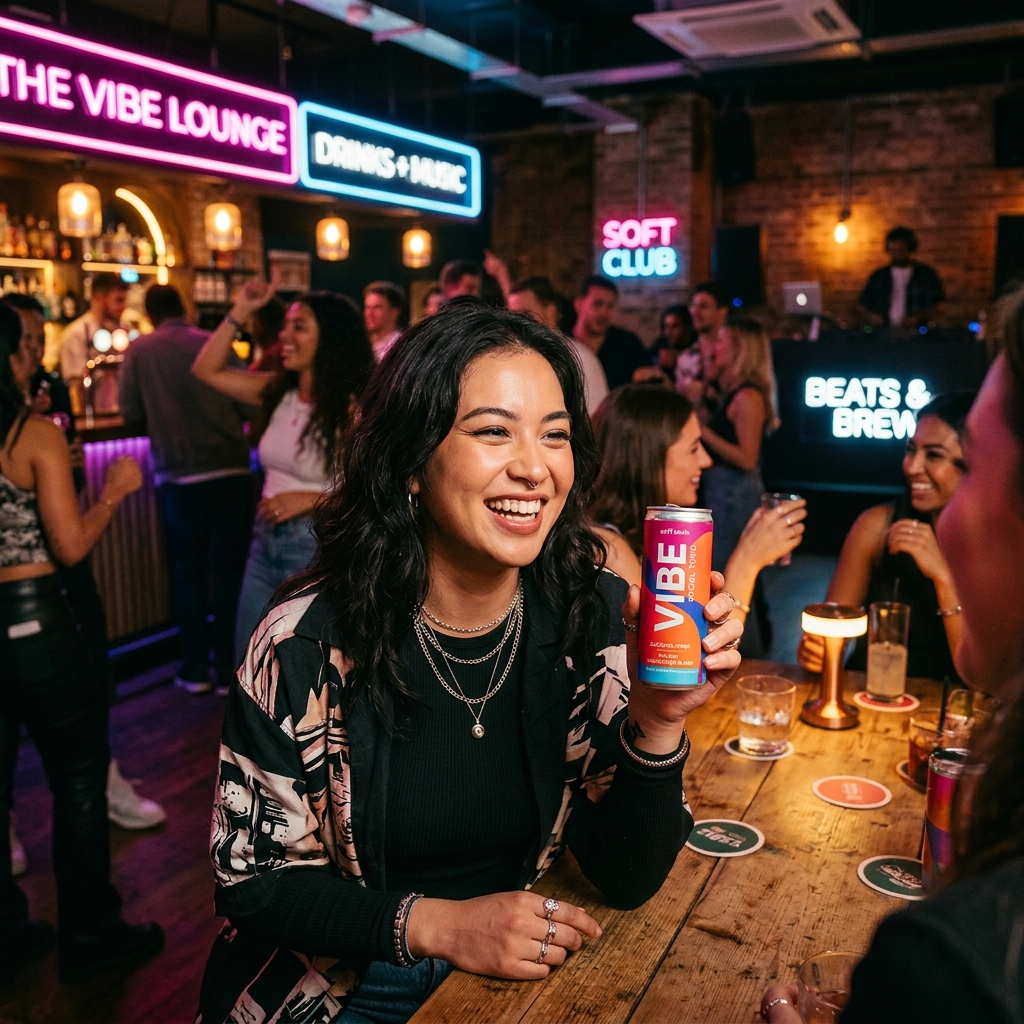
The sociological implications of this shift extend far beyond individual consumer choices. They represent a collective, generational reevaluation of biological risk, mental health, and social ritual. Nightlife spaces, traditionally anchored by the high-volume consumption of alcohol, are being forced to adapt. Why? Because nearly 40% of Generation Z explicitly express interest in cannabis-infused beverages and are actively using cannabis instead of alcohol.
The Macro-Sociological Decline of Alcohol
The decline in American alcohol consumption has reached historic levels, marking a significant departure from decades of established behavioral norms. According to comprehensive consumption tracking from Gallup in late 2025, the self-reported drinking rate among U.S. adults has fallen to 54%. Let that sink in. This represents the lowest point recorded in nearly ninety years of behavioral surveying, massively down from the 71% highs we saw back in the late 70s. This downward trajectory isn't a blip; it’s a sustained trend.
The motivations behind this decline are multifaceted, deeply rooted in a growing public awareness of sober curious benefits. For the first time in modern tracking history, a majority of the population (53%) believes that even moderate drinking—defined as one to two drinks per day—is detrimental to long-term health. We are entirely reversing the boomer-era logic that a glass of red wine a night is some sort of cardiovascular miracle. Consumers today know that ditching alcohol improves heart health, stabilizes the immune system, and protects neuronal communication.
Datassential's 2026 Future of Drink Report backs this up, revealing that one in five active drinkers now intentionally skip alcohol when socializing. Furthermore, over a third of those actively drinking less explicitly cite high prices as a primary deterrent. The economic friction of paying $18 for a well-drink has created a highly receptive market for alternative, longer-lasting, and cheaper intoxicants.
Table 1: The Sociological Shift in Alcohol Consumption (2023-2025)
| Demographic Subgroup | 2023 Drinking Rate | 2025 Drinking Rate | Sociological Insight |
|---|---|---|---|
| Gender: Women | 62% | 51% (-11 pts) | Women are abandoning alcohol at more than double the rate of men, heavily influenced by wellness trends and pushback against toxic "wine mom" culture. |
| Age: 18 to 34 | 59% | 50% (-9 pts) | Young adults are now significantly less likely to report drinking than middle-aged and older adults, a total inversion of historical norms. |
| Income: <$40,000 | 53% | 39% (-14 pts) | The most severe drop across all metrics, directly correlating with the economic pressures and high inflation of modern nightlife pricing. |
| Income: >$100,000 | 79% | 66% (-13 pts) | High-income earners, historically the highest consuming bracket, are aggressively pivoting toward premium wellness alternatives. |
The Gen Z Paradox: Abstinence, Substitution, and Mental Health
While the macro trend indicates a broad societal retreat from alcohol, the specific behaviors of Generation Z present a complex sociological portrait. Gen Z is the absolute vanguard of the California sober movement. Survey data indicates that while 34% of all U.S. adults identify with the lifestyle, that figure surges to a massive 48% among Gen Z respondents.
When looking at why young people are quitting alcohol, you have to look at psychology. Unlike older cohorts whose abstinence is often rooted in physical health concerns or managing established substance use disorders, Gen Z's primary motivation is internal. A striking 58% of Gen Z individuals cite the improvement and preservation of their mental health as the core reason for cutting back on alcohol.
But let's be real: Gen Z is not a monolith of straight-edge monks. While a massive segment champions total abstinence, a global tracking study by the IWSR showed that alcohol participation among a specific subset of legal-drinking-age Gen Z consumers actually rose from 46% to 70% in the U.S. between 2023 and 2025. The sociological landscape of modern nightlife is bifurcated: you have high-engagement spirit consumers sharing physical spaces with a rapidly expanding cohort of individuals utilizing alcohol alternatives for socializing.
The Clinical Validation: The Brown University Trials
For years, the concept of substituting alcohol with weed was brushed off by doctors as just trading one vice for another. Skeptics demanded data. In late 2025, they got it. Researchers at the Brown University School of Public Health published landmark findings in the American Journal of Psychiatry that provided the first controlled, scientific validation of the substitution effect.
Led by Dr. Jane Metrik, the clinical trial utilized a randomized, placebo-controlled crossover design. To make sure the data actually translated to the real world, researchers constructed a simulated "bar lab"—complete with dark lighting, social cues, and drinks on tap. Participants were administered carefully calibrated cannabis containing either a low dose of THC (3.1%), a high dose of THC (7.2%), or a placebo.
"The clinical data unequivocally demonstrated a reduction in alcohol consumption following the introduction of cannabis. When participants consumed the 3.1% THC dose, their alcohol intake fell by 19% compared to the placebo baseline."
When analyzing THC vs alcohol side effects, the data suggests a profound biological satiation mechanism. The pharmacological introduction of cannabis fulfills the user's experiential desire for intoxication. Once you get a buzz going with cannabinoids, your immediate biological craving for ethanol diminishes. You literally just don't want the beer anymore. Cannabis functionally crowds out the desire for alcohol entirely.
However, we need to respect the science and not just read the headlines. Clinical experts explicitly caution against adopting cannabis as a formalized therapeutic substitute for diagnosed Alcohol Use Disorder (AUD). A 2026 meta-analysis in the Lancet found no significant evidence that cannabinoids improve underlying severe anxiety disorders—often a root cause of heavy drinking—and noted that adverse side effects from cannabis are a reality for some. If you are prone to weed-induced panic attacks, swapping tequila for a heavy sativa isn't going to fix your social life.
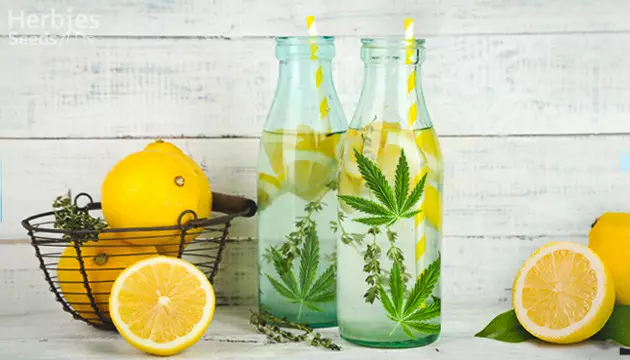
The Technological Catalyst: Nano-Emulsified Social Tonics
Societal willingness to swap alcohol for weed used to be severely hampered by biology. Traditional cannabis edibles rely on fat-soluble lipid absorption through the digestive tract. The liver converts Delta-9 THC into 11-hydroxy-THC, which takes 60 to 90 minutes to kick in and often glues you to the couch. That delayed, unpredictable onset is completely useless at a party where the social lubrication of alcohol is felt within minutes.
The paradigm shift in 2026 is driven entirely by nano-emulsification technology. By using ultrasonic processors to break down cannabinoid oils into microscopic, water-soluble particles, manufacturers bypass the liver entirely. Nano-emulsified THC absorbs rapidly through the mucosal membranes in your mouth and stomach directly into the bloodstream, giving you a highly predictable onset time of 15 to 30 minutes.
This breakthrough allows fast-acting THC drinks to perfectly mimic the social pacing of alcohol. You can sip a low-dose seltzer and feel the progressive, compounding buzz exactly as you would with a beer, without the paranoia of accidentally eating too much of a legacy gummy. It's why 65% of cannabis beverage consumers now strictly prefer these formats. As the flavor science matures, cannabis is done with candy; modern drinks feature savory terpenes, amaro-inspired botanicals, and complex flavor profiles designed for an adult palate.
Table 2: Analyzing the "Best THC Social Tonics" of 2026
| Brand & Product | Formulation & Potency | Market Positioning & Vibe |
|---|---|---|
| Cycling Frog Black Currant Seltzer | 5mg THC + 10mg CBD (60 cal) | The top overall sessionable seltzer. The 1:2 ratio provides a balanced, socially relaxing buzz without heavy intoxication. |
| BRĒZ OG Social Tonic | 5mg THC + 10mg CBD + 2200mg Lion's Mane | The wellness innovator. Combines cannabinoids with adaptogenic mushrooms to boost sociability explicitly without alcohol. |
| Cann Social Tonic | Micro-dosed (~2mg THC) | The pioneer in approachability. Discreet cans targeting newcomers seeking a light, controllable "mocktail" buzz. |
| Artet Flagship Aperitif | 2.5mg THC per serving | Direct spirit replacement. Targets the highbrow home mixologist crafting complex, botanical cannacocktails. |
| Wynk Tangerine Seltzer | 5mg THC + 5mg CBD (Zero cal) | Directly addresses the health-conscious demographic. Zero calories, zero sugar, zero hangover guilt. |
Digital Amplification: Reddit Virality and Peer Validation
You can't understand the speed of this shift without looking at the internet. Sociological trends are incubated in decentralized forums where anonymity breeds radical honesty. On platforms like Reddit, specifically in communities like r/stopdrinking and r/trees, replacing alcohol with cannabis is continuously validated through peer consensus.
Users openly detail how utilizing a 2.5mg gummy or a THC-infused mocktail is the exact behavioral bridge required to survive alcohol-heavy family holidays without compromising their overarching sobriety goals. A critical psychological distinction highlighted in these spaces is the difference in dependency architecture. As one user articulated, they used to spend vast amounts of effort managing their wine supply, terrified of running out. If they reach for a weed gummy and the jar is empty? It's a bummer, not a physiological panic.
But these forums aren't just echo chambers; they are vital harm-reduction spaces. Skeptics and veterans alike push back against reckless substitution. They advise newcomers not to try and perfectly recreate the "alcohol high" with cannabis, because the substances function differently. For some, standardizing their intake via infused pre-rolls works better than beverages for immediate titration. The community regulates itself, ensuring the dialogue remains honest.
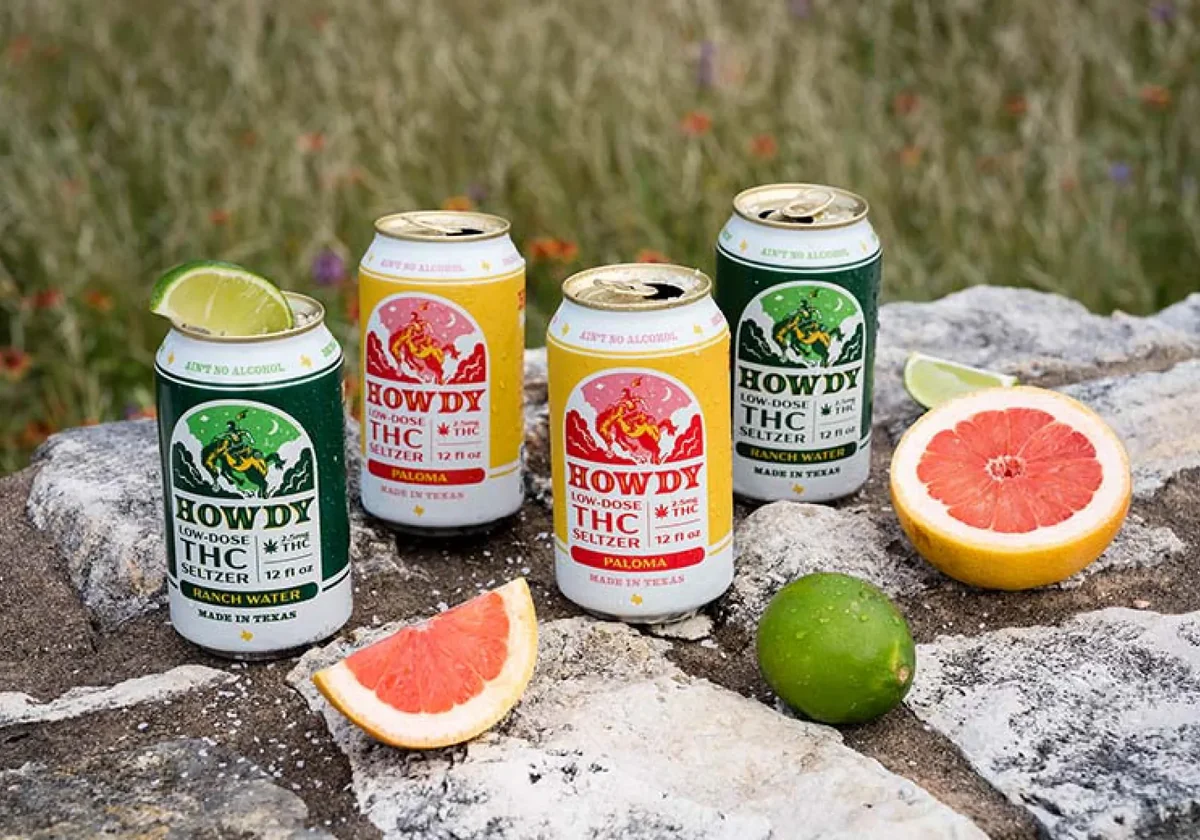
The Regulatory Battlefield: New Jersey’s 2026 Crackdown
As consumers pivot aggressively toward THC drinks for nightlife, regulatory bodies are racing to formalize control over a market that originated from a massive federal oversight. The initial boom of hemp-derived social tonics came from the 2018 Farm Bill loophole, which inadvertently allowed intoxicating beverages to be sold at gas stations and grocery stores, bypassing heavily taxed dispensary systems.
In 2026, New Jersey serves as the definitive case study for the formalization of the California sober economy. Faced with safety concerns over synthetic analogs (a topic we've covered deeply when analyzing how the THCA gold rush is ending) and the rapid erosion of their regulated cannabis tax revenue, NJ enacted highly restrictive legislation to corral the beverage sector.
Under new laws (P.L. 2026, c.7), the state mandated rigorous potency caps—limiting intoxicating hemp beverages to a maximum of 5mg of THC per serving. But the real sociological impact hits in November 2026, when the "Dispensary Monopoly" kicks in. After this deadline, alcohol retailers must strip these products from their shelves. The sale of intoxicating social tonics becomes the exclusive domain of NJ Cannabis Regulatory Commission licensed dispensaries.
Table 3: Localized Retail Impacts (Ocean County, NJ)
| Retail Operator | Location Focus | Market Adaptation to 2026 Laws |
|---|---|---|
| Bloc Dispensary | Waretown, Ewing | Rapidly integrated compliant THC shots (Journeyman) and fast-acting edibles to capture the migrating beverage consumer base. |
| The Social Leaf | South Toms River | Capitalizing on the retail shift by offering robust home-delivery services for tonics across Lower Monmouth and Ocean County. |
| Earth & Ivy | Lakehurst, NJ | Focuses on speed for the modern consumer, offering a dedicated drive-thru for fast pickup of low-dose session beverages. |
| Altitude Cannabis | Toms River | Aligning branding directly with the wellness and mindful serenity aspects of the Gen Z California sober lifestyle. |
By corralling the sale of nano-emulsified tonics into specific retail environments, the government is essentially forcing the social rituals of cannabis consumers to evolve independently from traditional alcohol channels. The liquor store is no longer a one-stop-shop; the regulated dispensary is the new locus of adult recreational procurement.
Conclusion: The Permanent Pillar of Adult Socialization
The transition observed in 2026 from traditional alcohol consumption to the widespread adoption of the California sober lifestyle is not a fad. It represents a permanent, structural sociological realignment. Driven aggressively by the youngest generations of legal drinking age—and underscored by their profound prioritization of mental health and biological preservation—this shift is predicated on a holistic rejection of the physiological harm, caloric density, and psychological dependency associated with ethanol.
The data confirms that substitution is a clinically proven, pharmacokinetically driven reality. The satiation achieved through cannabinoid consumption effectively short-circuits the biological drive for alcohol. Simultaneously, the commercial perfection of nano-emulsification technology has allowed the cannabis industry to finally crack the code of social pacing. We finally have products that integrate seamlessly into the ritual architecture of bars, parties, and happy hours, without the toxic burden of a hangover.
As modern nightlife continues to evolve, THC social tonics will cease to be viewed as a fringe alternative novelty. The data unequivocally indicates that cannabis beverages will stand alongside—and frequently substitute—alcohol as a fundamental, permanent pillar of the adult social experience. The culture has shifted, the tech has arrived, and quite frankly, waking up without a hangover just feels too damn good to go backward.