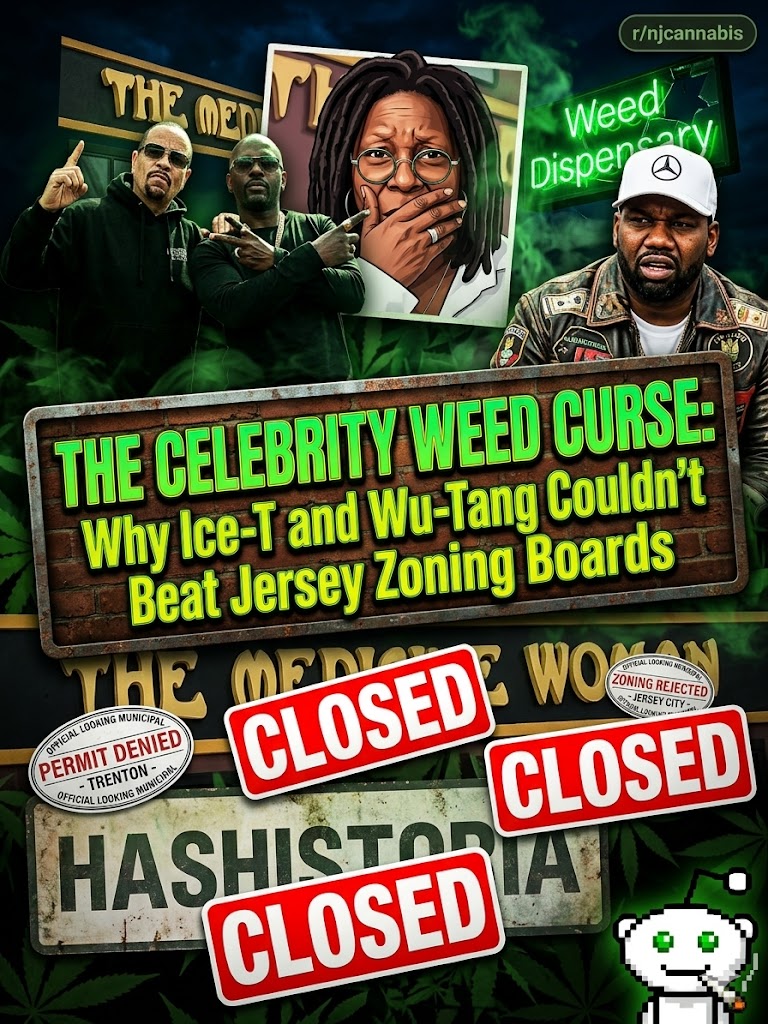


The Celebrity Weed Curse: Why Ice-T and Wu-Tang Couldn't Beat Jersey Zoning Boards
Fame, Evictions, and the Brutal Reality of the Garden State Market
They survived the streets. They conquered the charts. But hip-hop legends and Hollywood royalty are learning the hard way: nothing is as ruthless as a New Jersey municipal planning board.
Opening a legal cannabis dispensary in Jersey is a tall task. It is probably one of, if not the hardest state to get a legal cannabis dispensary up and running across the United States. Between regulatory red tape, high fees to operate, and municipalities outright banning legal cannabis within their lines, it’s a nightmare for anyone looking to get in the weed game, no matter how deep their pockets are!
Since I started covering the New Jersey cannabis market in 2022, I have seen countless Dispensaries close their doors. Dispensaries that had lines wrapped around the building, are now chained up and dead bolted. The owners of these failed dispensaries are either selling their licence to MSO’s like Curaleaf & AYR, or temporarily shutting down, hoping to regain capital and attract investment. The bigger story that is emerging from the many failed dispo’s in New Jersey, is what has been labeled as the “celebrity curse”! If you didn’t know, many celebs have been attracted to the legal weed market in New Jersey, among them has been Ice-T, Reakwon (from Wu-Tang Clan), and Whoopi Goldberg. All three have dumped millions of dollars into getting a cannabis licence, and opening a dispensary in the Garden State. Could it be a coincidence, that all three dispensaries have failed, or evidence that the NJ regulatory commission for legal cannabis is rigged!
In this article Blunttalkzz breaks down why these three celebs and many others are failing in the Garden states weed game, and what changes need to be made moving forward.
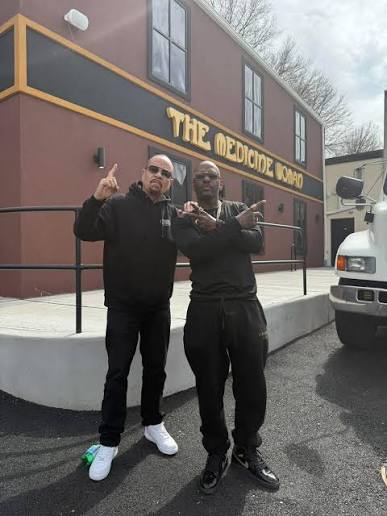
The Jersey City Casualty: Ice-T and The Medicine Woman
Ice-T is a pioneer. He basically invented West Coast gangsta rap and has spent the last two decades solving fake murders on Law & Order: SVU. He knows the system, he knows the streets, and he knows business. But in 2024, he walked straight into a buzzsaw in Hudson County.
The project was "The Medicine Woman," slated for prime real estate in Jersey City. Ice-T partnered with established West Coast operators to bring a premium, minority-owned cannabis experience to the East. The hype was deafening. The ribbon cuttings were planned. The PR machine was in full effect. But hype doesn't pay holding costs.
Here is the cold, hard math of Jersey City: you can't just rent a spot and open a store. You need a resolution of support from the city council, you need site plan approval from the planning board, and then you need the state to sign off. During this entire multi-year process, your landlord demands rent. You are holding a commercial lease on an empty building for 18 to 24 months.
For The Medicine Woman, the delays became fatal. The Ice-T dispensary closed before it ever really had a chance to dominate the market. Behind the scenes, investors bled cash paying high-premium rent while waiting on bureaucratic signatures. Once the capital ran dry, the lawsuits started flying. Partners sued partners. Landlords initiated eviction proceedings. A legendary hip-hop icon’s brand was choked to death by municipal red tape. Jersey City didn’t care about his IMDB page; they only cared about compliance and zoning ordinances.
The Anatomy of the Celebrity Cannabis Collapse
| Venture & Celebrity | Location | Primary Cause of Failure | Current Status |
|---|---|---|---|
| The Medicine Woman (Backed by Ice-T) |
Jersey City, NJ | Exorbitant real estate holding costs, inter-partner lawsuits, zoning delays. | Evicted / Closed |
| Hashstoria (Backed by Raekwon) |
Newark, NJ | Mechanic's liens, unpaid contractors, structural city approval bottlenecks. | Stalled / Legal Standoff |
| WhoopFam (Backed by Whoopi Goldberg) |
Paterson, NJ | Administrative delays, capital drain, local regulatory friction. | Collapsed / Litigation |
The Newark Standoff: Raekwon’s Hashstoria Nightmare
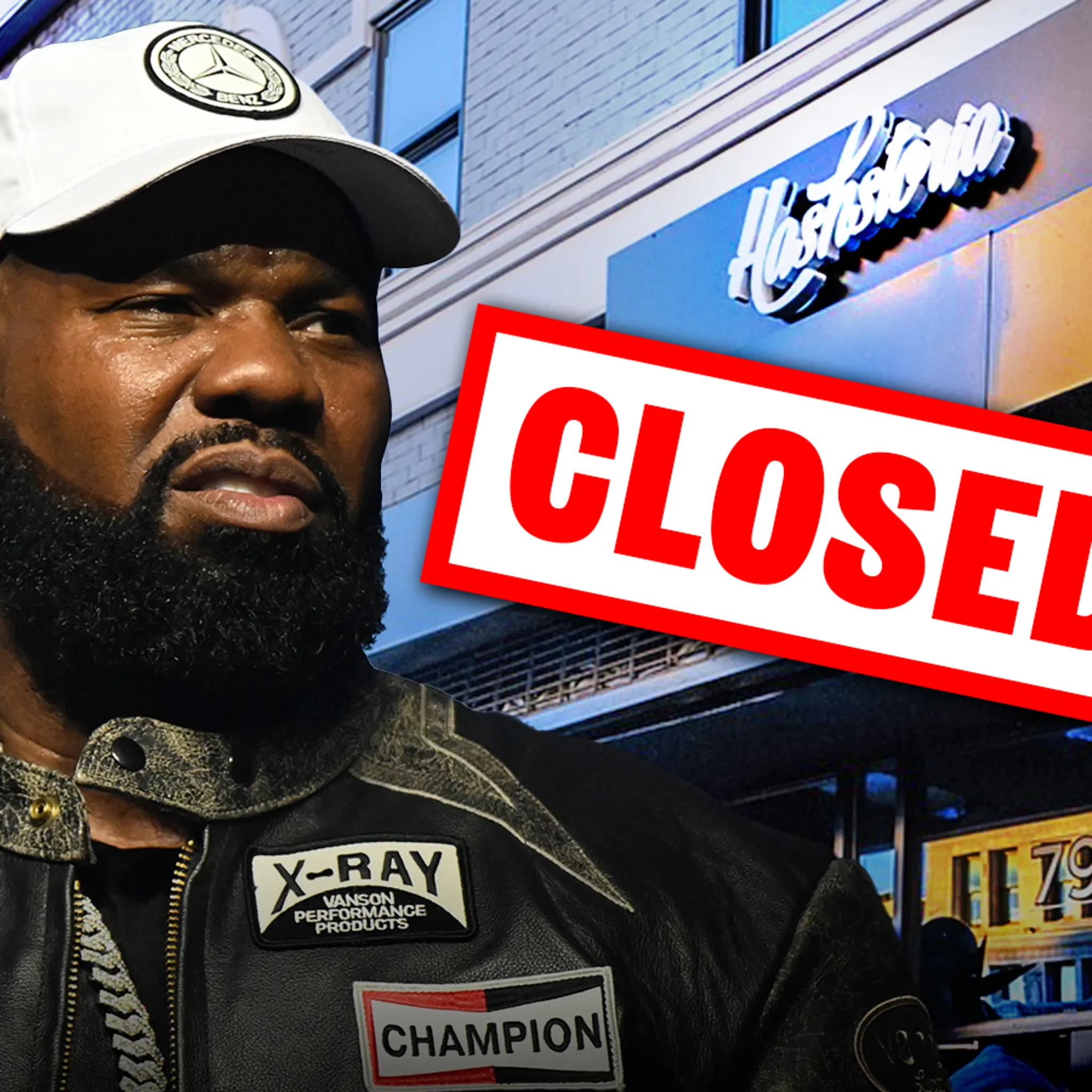
If Jersey City is tough, Newark is an absolute fortress. Enter Raekwon the Chef. As a founding member of the Wu-Tang Clan, Raekwon is rap royalty. He envisioned Hashstoria—a premium, culturally rooted dispensary located in the heart of Brick City. It was supposed to be a massive win for social equity and urban revitalization.
Instead, it became a masterclass in how construction delays and local politics destroy independent operators.
When you retrofit a building for cannabis in a major city, you aren't just putting up drywall. You are installing state-mandated bank vault security, commercial-grade HVAC systems to mitigate odor, and bullet-resistant glass. It requires massive upfront capital. Raekwon and his partners initiated the build-out, but hit the classic NJ bottleneck: the city permit offices.
The Hashstoria Newark eviction headlines didn't stem from a lack of customers—they stemmed from a lack of momentum. When city inspections stall, construction halts. When construction halts, contractors don't get paid. When contractors don't get paid, they file mechanic's liens against the property.
A mechanic's lien is a legal death sentence for an un-opened business. It freezes the asset and triggers panic among investors. Hashstoria got trapped in a vicious cycle: waiting for municipal green lights while bleeding out to contractor debt and holding costs. Raekwon learned that the Wu-Tang Clan ain't nothing to mess with, but a Newark zoning board is a completely different beast.
The Paterson Pivot: Whoopi Goldberg and the Capital Drain
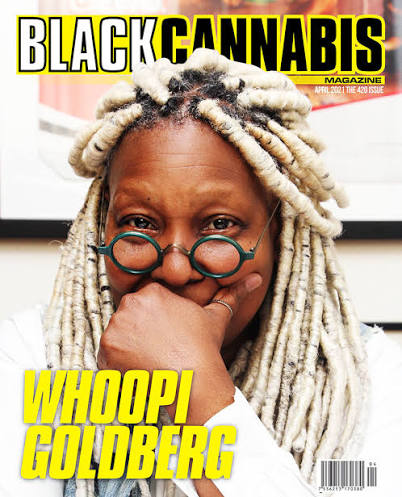
And then there is Whoopi Goldberg. An EGOT winner. A cultural icon. She launched WhoopFam in Paterson, aiming to bring her significant platform and resources to the Silk City. But the Whoopi Goldberg cannabis lawsuit and subsequent collapse of her Paterson venture proves that not even Hollywood money can outrun the systemic flaws of the Garden State.
Paterson, like many NJ municipalities, creates a labyrinth for cannabis operators. While MSOs (Multi-State Operators) have armies of lawyers and endless capital to weather a two-year storm of zero revenue, independent and celebrity-backed brands rely on initial investment rounds. When those rounds are depleted by rent, security retainers, and legal fees before a single pre-roll is ever sold, the venture implodes.
If you are wondering what people are actually smoking while these celebrities fight it out in court, check out our breakdown of the 20 most popular pre-rolls in New Jersey right now. Because spoiler alert: the corporate MSOs are the ones dominating those shelves, not the culture icons.
The Industry Diagnosis: Why Fame Fails in the Garden State
So, why is this happening? Why are the most famous people on the planet getting their teeth kicked in by the NJ cannabis market? It’s not a coincidence. The system is fundamentally broken, and it preys on anyone who doesn't have a half-billion-dollar corporate treasury backing them up. Let’s break down the real villains of the NJ cannabis market failures.
Villain #1: IRS Section 280E (The Tax Guillotine)
Because cannabis is still federally illegal (Schedule I), cannabis businesses are subject to IRS Section 280E. This brutal tax code means a dispensary cannot write off standard business expenses. No deductions for rent, marketing, employee payroll, or utility bills. They are taxed on their gross profit, not net income.
This results in an effective tax rate of 70% to 90%. When a celebrity puts their name on a brand, they expect a standard ROI. Under 280E, margins are razor-thin. If you suffer a six-month construction delay in Jersey City, 280E ensures you will never financially recover.
Villain #2: Predatory Landlords and "The Green Tax"
Because cannabis is federally illegal, most banks won't give traditional mortgages to properties housing a dispensary. This gives private landlords massive leverage. In New Jersey, landlords routinely charge a "Green Tax"—charging 2x or 3x the standard market rate for a commercial lease simply because it’s a cannabis business.
Ice-T and Raekwon weren't just paying rent; they were paying extortionate rent on empty buildings for years while waiting for local approvals. It is a slow, methodical financial bleed.
Villain #3: Hostile Zoning Boards and "Cannabis Deserts"
Fame means absolutely nothing when a local town council refuses to sign a piece of paper. The CREAMM Act (the law that legalized weed in NJ) gave individual municipalities the ultimate power to ban or severely restrict cannabis businesses. Over 60% of New Jersey towns opted out entirely, creating massive dead zones.
If you want to understand how deep this local corruption goes, you need to read our exposé on New Jersey’s Cannabis Deserts and how dry towns are suffocating the market.
Even in towns that "opted in" (like Jersey City and Newark), the zoning boards wield god-like power. They use arbitrary architectural reviews, traffic studies, and neighborhood complaints to delay approvals indefinitely. A celebrity's face on a billboard can't speed up a traffic study.
Villain #4: The Quality & Supply Chain Monopoly
Finally, even if you survive the evictions, the lawsuits, and the zoning boards, you have to actually sell weed. And in New Jersey, independent retailers are forced to buy their wholesale product from the exact same corporate MSOs they are competing against.
This creates a massive conflict of interest. The quality of the state's supply chain is highly questionable, making it hard for premium "celebrity" brands to stand out when they are selling the same white-labeled, dry flower as everyone else. The recent Safe Leaf Report exposed exactly what is hiding in the state's cannabis supply, and it explains why independent shops struggle to build consumer loyalty.
The BluntTalkzz Verdict: It Ain't Just Bad Luck
The "Celebrity Weed Curse" isn't a curse at all. It is the calculated result of a regulatory system that was designed by suits, for suits. It is a system built to benefit multi-state corporate monopolies that can absorb millions in losses, while strangling independent operators, social equity applicants, and cultural icons with red tape and predatory costs.
Ice-T, Wu-Tang, and Whoopi didn't fail because they didn't understand the culture. They failed because they underestimated the sheer, brutal bureaucracy of New Jersey real estate and local government. Until the state addresses Section 280E workarounds, curbs predatory landlords, and forces towns to streamline zoning approvals, the graveyard of failed independent dispensaries will only continue to grow.
Want the Real Receipts?
We aren't just talking about it—we have the documents. Head over to the BluntTalkzz homepage to check out our exclusive, interactive map of failed NJ dispensaries. We are doing deep-dives into the actual court filings, the mechanic's liens, and the eviction notices that the mainstream media won't touch.